Assessing Student Progress in Blended Learning Models: A Practical Guide for Schools
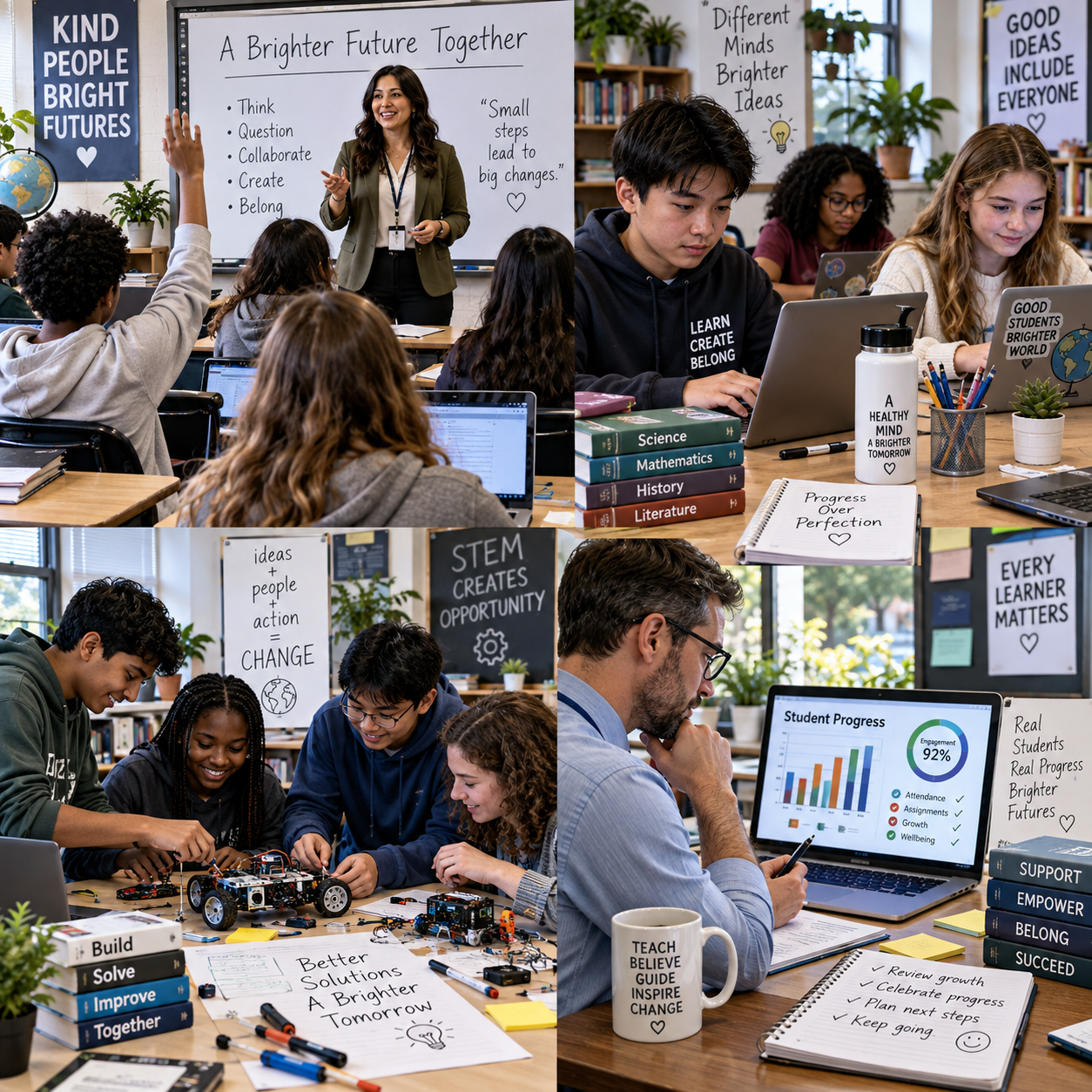
Assessing student progress in blended learning models requires more than checking online grades or counting completed activities. Schools need a balanced view of what students understand, how they apply knowledge, how consistently they participate, and what support they need next.
Blended learning combines face-to-face teaching with online instruction, independent study, digital collaboration, and technology-supported practice. Because learning happens in several settings, assessment should connect evidence from each setting rather than treat them as separate systems.
Why Progress Assessment Matters in Blended Learning
Progress assessment in blended learning shows whether students are meeting academic outcomes across both online and face-to-face environments. It helps teachers identify misconceptions early, recognize meaningful growth, and adjust instruction before small difficulties become larger gaps.
In a traditional classroom, a teacher may notice confusion through questions, written work, or observation. In a blended model, some learning takes place independently through videos, readings, quizzes, or discussion boards. A student who appears quiet during an in-person lesson may be highly engaged online, while another may complete digital tasks without understanding the underlying concept.
A reliable assessment system therefore combines several kinds of evidence:
- Academic understanding: quizzes, written responses, practical tasks, and examinations.
- Learning behaviors: preparation, persistence, time management, and participation.
- Transferable skills: collaboration, communication, critical thinking, and digital literacy.
- Growth over time: progress toward individual learning goals rather than a single score.
The central question is not simply whether a student logged in. It is whether the student made meaningful progress toward the intended learning outcome. Technology can provide useful evidence, but teacher judgment, student conversations, and classroom observation remain essential.
Set Clear Learning Goals and Success Criteria
To assess student progress consistently, schools should begin with clear learning goals and success criteria that describe what students will know or be able to do. Measurable goals give teachers, students, and families a shared basis for interpreting evidence.
A broad objective such as understand ecosystems is difficult to assess consistently. A stronger goal might be: Explain how energy moves through a food web and support the explanation with evidence from a model. This goal can be assessed through an online concept check, a classroom discussion, and a project or written explanation.
Success criteria should be visible before students begin their work. For example, a history investigation might require students to:
- Use at least two credible sources.
- Distinguish evidence from opinion.
- Explain cause and consequence.
- Present a conclusion in a clear, organized format.
Teachers can translate these criteria into age-appropriate checklists, exemplars, or rubrics. The same criteria should apply whether a student submits a digital presentation, participates in a classroom seminar, or writes a paper. This alignment prevents the online platform from becoming the focus instead of the learning.
Individual learning goals add another layer. A student may share the class goal while working on a personal target such as using stronger evidence, checking calculations independently, or contributing at least once during group work. Reviewing these goals every few weeks makes progress more visible and supports differentiation.
Combine Formative and Summative Assessment Methods
Formative assessment takes place during learning to guide next steps, while summative assessment evaluates achievement at the end of a unit, course, or program. Blended learning works best when schools use both rather than relying on final tests alone.
Formative assessment should be frequent, brief, and connected to an instructional decision. Useful methods include:
- Low-stakes online quizzes that reveal misconceptions.
- Exit tickets completed in class or through a digital form.
- Discussion-board responses requiring evidence or explanation.
- Teacher observation of group work, demonstrations, or practical activities.
- Draft submissions followed by peer review and revision.
- Student self-assessment against a rubric or checklist.
For example, an online quiz might show that many students can identify a mathematical formula but cannot explain when to use it. The teacher can then plan a short face-to-face modeling lesson instead of moving directly to a graded test.
Summative assessment may include an examination, research project, performance task, portfolio review, presentation, or end-of-unit product. A strong summative task measures the same learning goals introduced at the beginning of the unit. It should also offer students a fair way to demonstrate understanding, especially when the course includes practical, creative, or collaborative outcomes.
Schools should avoid treating every online quiz as a major grade. Frequent graded activities can encourage compliance and anxiety, while low-stakes checks produce better information for teaching. The practical balance is simple: use formative evidence to improve learning, then use carefully designed summative assessment to evaluate it.
Use Digital Tools to Track Learning Progress
Schools can use a learning management system (LMS), learning analytics, digital portfolios, and assignment records to organize evidence of student progress. These tools are most useful when they answer a specific instructional question.
An LMS may record quiz results, submission dates, feedback, discussion contributions, and completion patterns. Learning analytics can help teachers notice signals such as repeated incorrect answers, missing assignments, or a sudden decline in participation. A teacher might filter results by learning objective and discover that students are succeeding with vocabulary but struggling to apply a concept.
However, platform activity is not the same as learning. A student can remain logged in while distracted, and another may complete work offline before uploading it. Analytics should therefore be treated as a prompt for investigation, not a final judgment.
A practical review process has three steps:
- Notice: identify an unusual result, pattern, or change.
- Verify: compare the data with submitted work, classroom observation, and a student conversation.
- Respond: provide reteaching, extension, feedback, or another appropriate intervention.
Digital portfolios are particularly valuable for showing growth. Students can collect drafts, completed projects, reflections, recordings, and teacher feedback over a term. Portfolio evidence often reveals development that a single score cannot capture, such as stronger reasoning, improved revision habits, or greater independence.
Assess More Than Grades
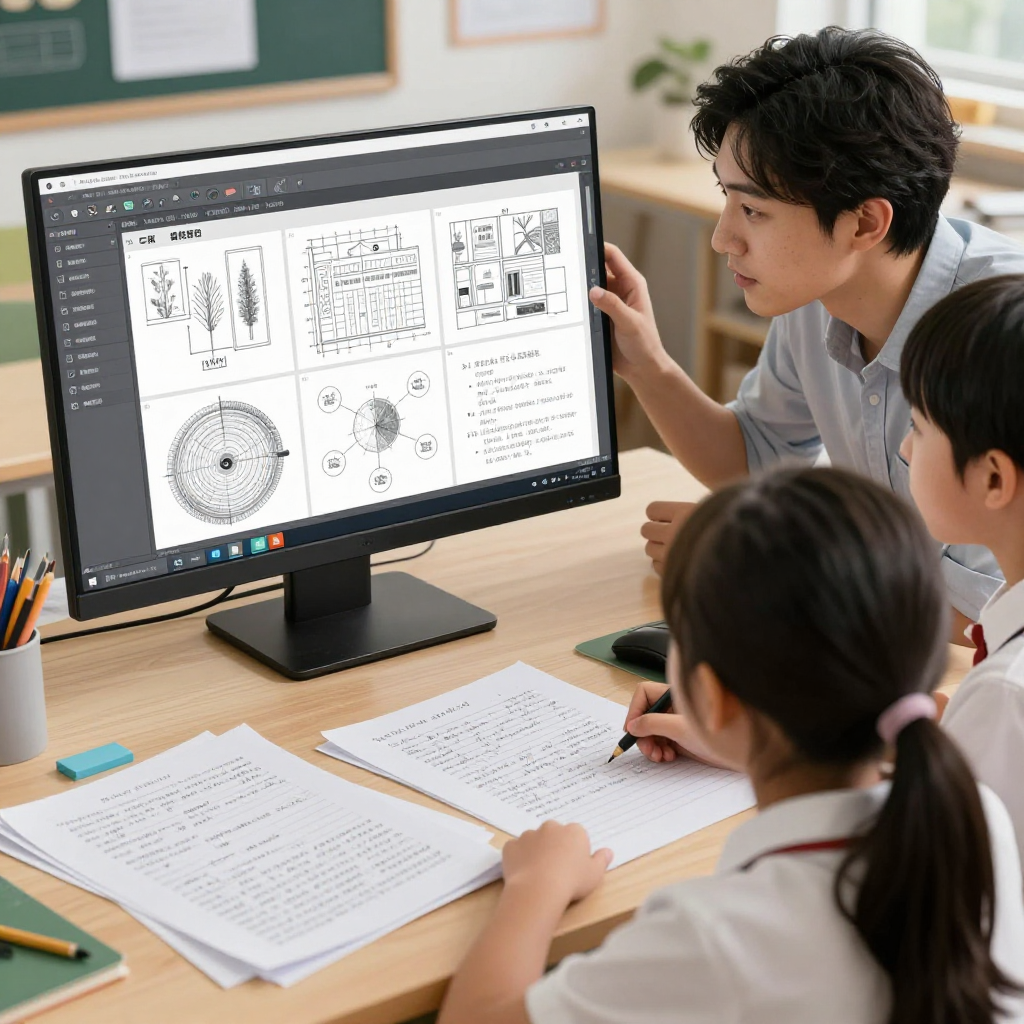
Effective blended learning assessment measures grades alongside participation, engagement, collaboration, critical thinking, digital skills, and progress toward individual learning goals. A broader evidence base produces a more accurate picture of student development.
Not every behavior should become a numerical grade. Instead, schools can use observation notes, conferences, reflection prompts, and rubric descriptors to document important skills. For example, a group-project rubric might assess how students divide responsibilities, listen to peers, use evidence, and respond to disagreement.
Useful indicators include:
- Engagement: preparation, persistence after mistakes, and purposeful use of learning resources.
- Collaboration: contribution to shared work, respectful communication, and accountability.
- Critical thinking: evaluating sources, explaining reasoning, and applying concepts to new situations.
- Digital skills: navigating platforms, creating appropriate content, protecting privacy, and citing sources.
- Self-regulation: planning tasks, monitoring progress, and seeking help effectively.
These measures require care. A low number of discussion posts does not automatically indicate low engagement, especially for students who contribute deeply in person or need accessible participation options. Similarly, frequent clicks do not prove understanding. Evidence should be interpreted in context, with attention to age, access, language, disability, and the design of the learning activity.
Provide Timely Feedback and Targeted Support
Feedback improves student progress when it is timely, specific, and linked to the next action. Assessment data should lead to a clear response, such as reteaching a misconception, revising a task, offering practice, or extending learning.
Effective feedback usually answers three questions:
- What has the student done successfully?
- What needs improvement?
- What should the student do next?
Your explanation identifies the correct cause. Add evidence from the source and connect it to your conclusion is more useful than Good work. In an LMS, teachers can give audio, video, or written feedback, but the format matters less than the clarity of the guidance.
Students should have opportunities to act on feedback. A revision window of several days can turn assessment into a learning cycle: attempt, feedback, revision, and reflection. Self-assessment also helps students compare their work with the success criteria before asking for a grade.
When evidence indicates a persistent difficulty, schools can provide targeted support. Options include a small-group lesson, guided online practice, peer tutoring, additional modeling, accessible materials, or a family conference. Students who demonstrate mastery may need enrichment rather than more repetition.
Avoid waiting for a formal reporting period. Weekly checks for priority skills, combined with a deeper review every four to six weeks, give teachers enough time to intervene while there is still time to improve outcomes.
Build a Consistent School-Wide Assessment Approach
A consistent school-wide approach aligns learning goals, assessment methods, data review, feedback, and family communication across classrooms. Consistency does not mean every teacher uses the same platform or gives identical tasks; it means students encounter understandable expectations and fair processes.
School leaders can establish a shared assessment framework by agreeing on:
- Common definitions for formative and summative assessment.
- Priority outcomes and performance standards by grade or subject.
- Shared rubric language for skills such as research, collaboration, and communication.
- Minimum expectations for feedback, revision, and student reflection.
- Regular data-review meetings focused on action rather than ranking.
Teacher collaboration is central. A team might bring samples of student work to a moderation meeting, apply a common rubric, compare interpretations, and plan support for students with similar needs. This process improves reliability and helps teachers learn from one another.
Privacy also matters. Schools should collect only data that supports learning, restrict access appropriately, explain data use to families, and follow applicable student privacy requirements. Data dashboards should support professional judgment rather than label students permanently.
Families benefit from communication that explains progress in plain language. Reports can combine achievement, strengths, current goals, attendance or participation patterns, and practical ways to help at home. Sharing a digital portfolio or rubric may be more informative than sending a single percentage.
The strongest system follows a simple cycle: define the goal, gather varied evidence, interpret it with context, respond instructionally, and review the result. Blended learning expands where evidence can come from, but thoughtful teachers and meaningful relationships still determine what that evidence means.
Frequently Asked Questions
What is the best way to assess students in blended learning?
The best approach combines formative assessment during learning with summative assessment at the end of a unit. Include online quizzes, classroom observations, projects, discussions, portfolios, and examinations when appropriate, all aligned with clear learning goals.
How can schools track online and in-person progress together?
Schools can connect LMS records with teacher observations, student work, classroom performance, conferences, and digital portfolios. A shared rubric or learning-goal tracker makes evidence from different settings easier to compare.
Which assessments work well in a blended classroom?
Low-stakes quizzes, exit tickets, online discussions, demonstrations, collaborative projects, presentations, written assignments, peer review, and portfolio reflections work well. The right choice depends on the outcome being measured.
How can teachers use learning analytics effectively?
Teachers should use learning analytics to identify patterns, then verify those patterns through student work and conversation. Analytics can flag a possible problem, but it cannot independently explain motivation, understanding, access, or effort.
How often should student progress be reviewed?
Teachers can review formative evidence weekly and conduct a more structured progress review every four to six weeks. The schedule should allow enough time to identify patterns while preserving opportunities for timely intervention.