Best Waterproof Dry Bags and Cases for Outdoor Adventures in 2026: How Pelican and Other Top Brands Keep Your Gear Safe
I learned this one the expensive way. Trusted a flimsy plastic bag to protect my camera on a whitewater kayaking trip — and yeah, it didn't survive. A $600 mirrorless camera, swallowed by the Gauley River in about thirty seconds of absolute chaos. After that, I made it my personal mission to figure out exactly what separates genuinely waterproof protection from slick marketing language. In 2026, there are more options than ever — but honestly, the confusion has kept pace with the options. This guide cuts through all of it and tells you what actually holds up in real conditions.
Why Waterproof Protection Is Non-Negotiable for Outdoor Adventurers in 2026
Whether you're running a Class IV rapid, pushing through a Pacific Northwest downpour, or setting up base camp beside a glacial lake in Alaska, water is the enemy. Not just an inconvenience — a real, gear-destroying, trip-ending threat. A soaked satellite communicator in the backcountry can mean the difference between a rescue and something far worse. A waterlogged passport mid-rafting trip can kill an international expedition before it ever finds its footing.
Outdoor adventures in 2026 are more gear-heavy than they've ever been. People are hauling drones, solar chargers, high-end cameras, GPS units, and full medical kits into environments that would've looked extreme to earlier generations. The cost of that gear has climbed sharply — and so has the risk of losing it to water damage. At this point, investing in quality waterproof dry bags and hard cases isn't a luxury. It's foundational to any serious kit.
Understanding the Different Types of Waterproof Gear Protection
Before you spend a dollar, it's worth knowing what you're actually choosing between. Not all 'waterproof' products perform the same way, and picking the wrong type for your activity is an easy mistake — one that costs more than just money.
Dry Bags vs. Waterproof Cases — What's the Difference?
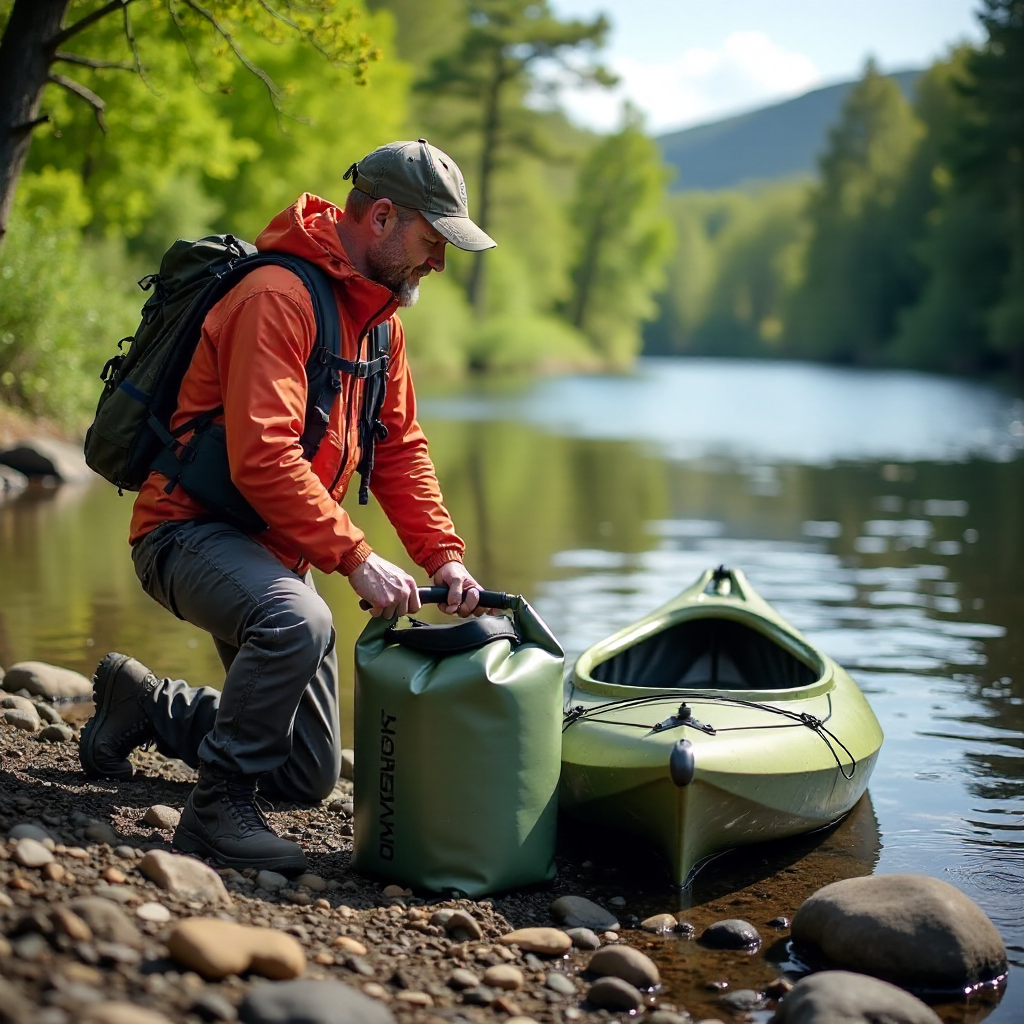
Dry bags are soft, flexible bags — usually built from PVC, TPU, or coated nylon — that seal with a roll-top closure. You roll the top down three or more times, clip it shut, and that's your seal. They're light, compressible when empty, and work well for clothing, sleeping bags, food, and anything that doesn't need rigid protection. The trade-off is real, though: no crush resistance, and the seal is only as solid as your rolling technique. Sloppy technique equals wet gear.
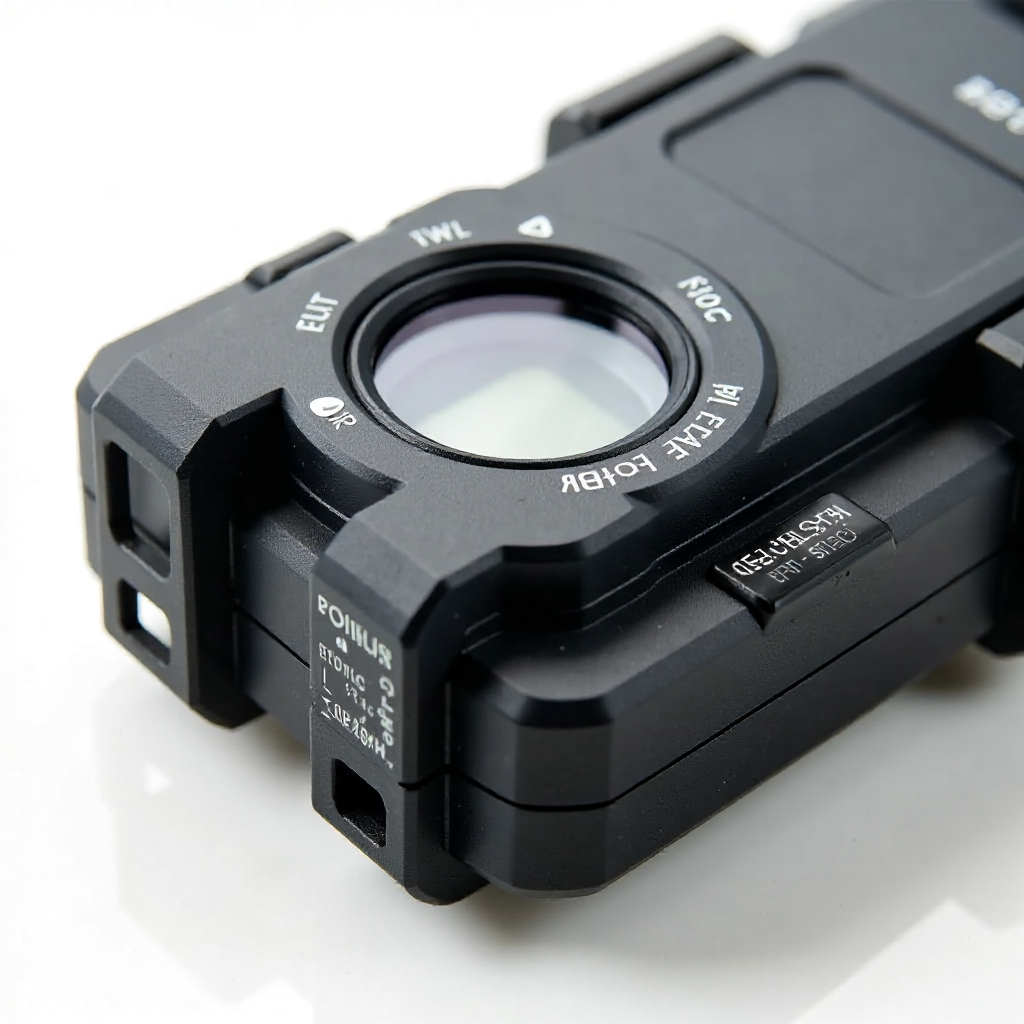
Waterproof hard cases are a different animal entirely. Rigid polycarbonate or polyethylene shells, rubber O-ring gaskets, airtight and watertight closures — these are built specifically for fragile, expensive, mission-critical gear. Cameras, drones, medical kits, electronics. They're heavier and bulkier, no question. But when something truly can't get wet or absorb an impact, a hard case isn't one option among several. It's the only real answer.
IP Ratings and Waterproofing Standards Explained
Shopping for waterproof gear in 2026 means wading through a lot of technical jargon. Here's what actually matters:
- IP67: Protected against dust and submersion in up to 1 meter of water for 30 minutes. Solid for most casual outdoor use.
- IP68: Protected against dust and submersion beyond 1 meter — depth and duration are manufacturer-specified. This is the standard for serious outdoor gear.
- MIL-SPEC (MIL-STD-810): A U.S. military testing standard covering temperature extremes, shock, vibration, and water resistance across a wide range of conditions. The gold standard for hard cases used in demanding field environments.
When a product calls itself 'waterproof' without citing any standard at all, I'd treat that claim with real skepticism. Genuine waterproof gear backs it up with numbers — not just bold font on a product page.
Top Waterproof Dry Bag and Case Brands to Know in 2026
The market has matured significantly over the past several years. A handful of brands have genuinely separated themselves through consistent quality, real innovation, and performance that holds up when conditions get ugly.
Pelican is, without question, one of the most trusted names in waterproof hard cases anywhere on the planet. Their cases are built to MIL-SPEC standards, backed by a lifetime guarantee, and used by military personnel, photographers, cinematographers, search and rescue teams, and outdoor professionals worldwide. What sets Pelican apart isn't just the waterproofing — it's the whole system: airtight gaskets, automatic pressure equalization valves, customizable foam interiors, and shells that have survived conditions most gear wouldn't even attempt.
SealLine has been a reliable choice for paddlers and backcountry hikers for a long time. Their dry bags use welded seams instead of stitched ones — which eliminates a major leak point that cheaper bags routinely ignore. The Boundary series is particularly well regarded for multi-day river trips.
YETI came into the dry bag market carrying their cooler-brand reputation for toughness straight with them. The Panga line features high-density fabric, a HydroShield closure, and submersible construction that takes real abuse on the water without complaining.
Sea to Summit owns the ultralight category. Their TPU-laminated bags are incredibly packable and genuinely reliable for hiking and climbing where every gram is a conscious decision.
Watershed makes some of the most durable dry bags out there, with zipper-style waterproof closures that are far more convenient than roll-tops for frequent access. They're popular among military personnel and rescue divers — and that's not an accident.
Best Waterproof Dry Bags for Outdoor Adventures in 2026
Here are my top picks across the categories that actually matter to people using this gear in the field:
- Best Budget Pick — Earth Pak Waterproof Dry Bag (20L): Dependable roll-top closure, available in multiple sizes, priced under $30. Perfect for day hikers and casual paddlers who want real protection without spending much.
- Best for Kayaking — SealLine Boundary Pack 35L: Welded construction, backpack straps, serious waterproofing. The ideal companion for whitewater and sea kayaking. I've personally used this one in conditions I wouldn't want to repeat — it didn't flinch once.
- Best Ultralight for Backpacking — Sea to Summit Ultra-Sil Dry Sack: Weighs almost nothing, packs into itself, and keeps your sleeping bag or down jacket bone dry through sustained rain. When every gram counts, this is the one to grab.
- Best Large Capacity for River Trips — YETI Panga Duffel 100L: Massive capacity, tough construction, and a waterproof zipper closure that actually performs in real conditions. Expensive — but worth every cent for week-long river expeditions.
Best Waterproof Hard Cases for Protecting Valuable Gear in 2026
When your gear is fragile, expensive, or genuinely mission-critical, a soft dry bag isn't going to cut it. Hard waterproof cases exist precisely for this reason. Pelican's lineup continues to dominate this category in 2026, with options ranging from compact pistol cases all the way to full expedition-size trunks.
The Pelican 1510 Carry-On Case remains one of the most popular choices for photographers and drone operators who travel frequently. It's TSA-approved for carry-on, fits standard overhead bins, and has customizable foam you can configure to fit nearly any camera or drone setup you're working with.
For truly extreme environments, the Pelican 1650 Long Case handles rifles, camera rigs, and large electronic systems without breaking a sweat. The automatic pressure relief valve prevents vacuum lock when moving between altitudes — something climbers and pilots genuinely appreciate once they've experienced it.
Competitors like Nanuk and Apache offer solid alternatives at lower price points, with similar O-ring seals and foam customization options. Worth considering if budget is tight — but Pelican's lifetime guarantee and decades-long track record in professional environments still give it a clear edge for high-stakes use.
How to Choose the Right Size and Configuration
Picking the wrong size is the most common mistake I see. Measure your gear before you buy a case, and add at least an inch on each side for foam padding. Most manufacturers publish interior dimension specs — use them. Don't guess.
For foam inserts, there are two main paths: pick-n-pluck foam, where you pull out pre-scored cubes to build custom cavities, and custom-cut foam, professionally shaped to your exact gear layout. Pick-n-pluck works fine for most people; custom-cut is the better call for professional setups with irregular shapes or particularly high-value arrangements.
Wheeled cases make sense for airport travel and heavy gear loads. Carry-handle models are better for field use where rolling simply isn't practical. Think carefully about how you'll actually be moving the case before you commit to buying.
Pro Tips for Getting the Most Out of Your Waterproof Gear
Even great waterproof gear fails when it's not maintained or used correctly. Here's what I've picked up after years of field use — some of it learned the hard way:
- Test your dry bag before the trip: Fill it with air, seal it, and squeeze firmly. If air escapes, water will too. Check seams and closures every season — don't wait for a bad day on the river to find out something's wrong.
- Don't overfill roll-top bags: You need enough material to complete at least three full rolls for a proper seal. Stuff the bag too full and you've compromised the whole closure before you even hit the water.
- Clean your closures: Salt, sand, and grit slowly destroy roll-top closures and O-ring gaskets. Rinse everything with fresh water after every saltwater or sandy trip — it takes two minutes and saves real money.
- Replace O-rings annually: UV exposure and repeated use degrade them over time. Most manufacturers sell replacement kits for a few dollars — cheap insurance compared to whatever's inside the case.
- Store cases open when not in use: Leaving a hard case sealed for months compresses the O-ring. Storing it open preserves the gasket's shape and extends its useful life considerably.
Final Verdict — Choosing the Right Waterproof Solution for Your Next Adventure
After using waterproof gear across kayaking, mountaineering, desert camping, and international travel, my conclusion is pretty simple: match the protection level to the actual stakes. A $20 roll-top bag is perfectly fine for a day hike in light drizzle. It's absolutely not fine for protecting a $2,000 camera on a week-long rafting trip through remote wilderness. That mismatch is where people get hurt — financially, at least.
For clothing, sleeping gear, and non-fragile items, quality dry bags from SealLine, YETI, or Sea to Summit deliver genuine value and real-world waterproofing. For cameras, electronics, medical supplies, and anything you truly can't afford to lose, hard cases — especially from Pelican — are the only rational choice.
The best waterproof gear isn't the priciest gear. It's the gear that's correctly matched to your adventure, properly maintained, and used the right way every single time. Take a little time to understand what you actually need, invest in quality where it genuinely counts, and both your gear and your adventures will be far better for it.