How Technology Shapes the Learning Experience at Kaʻu Learning Academy
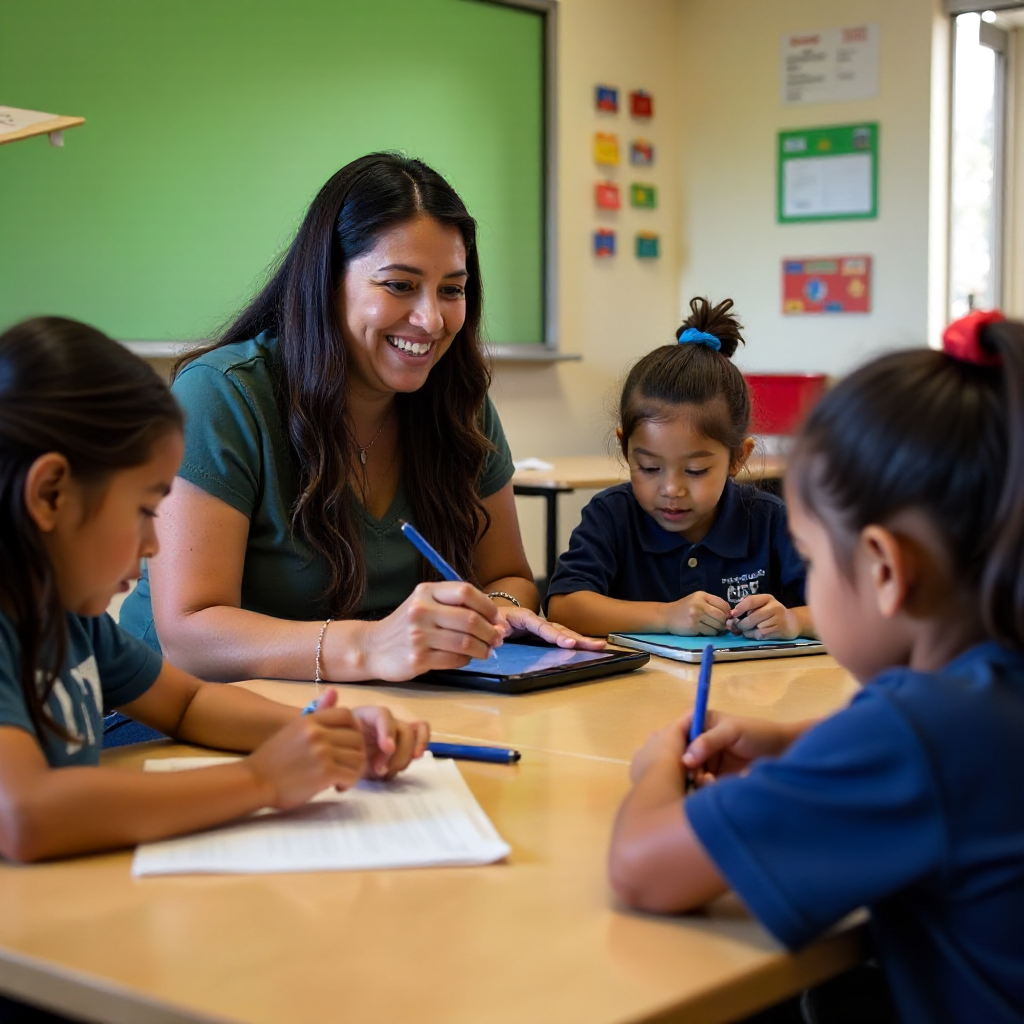
Walk into a classroom at Kaʻu Learning Academy on any given morning, and you might see a third grader reading a digital story, a fifth grader working through a math challenge on an educational app, and a seventh grader drafting an essay — all in the same room, all guided by the same teacher. This is blended learning in practice, and it looks different from what many parents imagine when they hear "technology in schools."
For families considering Kaʻu Learning Academy, or simply trying to understand what their child's school day involves, this article breaks down how and why technology is woven into instruction at our public charter school — and what it actually means for students in grades 3 through 7.
What We Mean by Technology in Education Today
Technology in education today goes well beyond a row of desktop computers. It includes tablets, learning management systems, adaptive educational apps, digital reading platforms, and the connectivity that ties them together into a coherent learning environment.
The shift that matters most is not the hardware — it's the purpose. A device sitting on a desk is just a device. The same device, used to let a student track their own reading progress, practice a skill at their own pace, or collaborate on a shared document with a classmate, becomes a learning tool. That distinction between passive access and active, structured use shapes everything about how technology is approached in grades 3–7.
In rural Hawaii, connectivity and access have historically been uneven. Part of Kaʻu Learning Academy's mission as a public charter school is to ensure that students in this community have genuine, equitable access to the tools and skills they'll need — not someday, but right now, as part of their everyday education.
Blended Learning: Where Technology Meets Guided Instruction
Blended learning combines direct, teacher-facilitated instruction with self-paced digital activities, giving students structured flexibility within a guided framework. It is not a choice between screens and teachers — it uses both, deliberately.
In a blended learning classroom for grades 3–7, a typical lesson might open with the teacher introducing a concept to the whole group. Students then move into independent digital practice — working through an adaptive activity that adjusts to their responses — while the teacher pulls a small group for targeted instruction. Later, the class reconvenes to discuss what they noticed, ask questions, and apply the concept to a hands-on task.
This rotation model means students are never simply watching a screen for an extended period. Digital work is one station among several, and it feeds directly into teacher-led conversations and collaborative activities. The technology handles repetition and immediate feedback efficiently; the teacher handles nuance, encouragement, and the kind of responsive instruction no app can replicate.
How Technology Supports Personalized Learning Paths
Adaptive technology tools allow teachers to meet students where they are academically, which is especially valuable across a multi-grade span like grades 3 through 7. A single classroom tool can present grade-level content to one student and enrichment material to another, without either student feeling singled out.
This kind of personalized learning is not about replacing teacher judgment — it's about giving teachers better information. When a student completes a digital activity, the platform generates data on where they struggled and where they moved quickly. Teachers use that data to plan small-group lessons, identify students who need additional support, and spot gaps before they compound.
For students in a multi-grade public charter school setting, this matters enormously. A seventh grader who needs to strengthen a foundational reading skill and a third grader who is ready to move ahead in math both deserve instruction calibrated to their current level. Adaptive tools make that kind of differentiation manageable for a single teacher working with a wide age range.
Keeping Students Engaged: Active Learning, Not Passive Screens
The concern parents most often raise about classroom technology is screen time — and it's a fair one. The answer at Kaʻu Learning Academy is that the relevant question is not how many minutes a student spends on a device, but what they are doing during those minutes.
Passive screen use — watching videos without a task, scrolling without purpose — does not look like what happens in a structured blended learning classroom. Digital activities here are goal-driven and interactive: a student responds to questions, makes choices, builds something, or creates a product. The screen is a tool for doing, not just viewing.
Student engagement also depends on variety. No child in grades 3–7 should spend an entire school day on a device, and none do. Technology use is balanced with discussion, movement, creative projects, and hands-on work. When students move between these modes throughout the day, attention and motivation stay higher than in any single-format classroom — screen-heavy or otherwise.
Building Digital Literacy as a Core Skill
Digital literacy — the ability to find, evaluate, create, and communicate information using digital tools — is now as foundational as reading and arithmetic. Students who graduate without it face real disadvantages, regardless of their other academic strengths.
At Kaʻu Learning Academy, digital literacy is not a separate subject taught in a computer lab once a week. It is embedded in daily instruction across subjects. A fourth grader researching a topic learns how to evaluate whether a source is reliable. A sixth grader formatting a written report learns file organization and document structure. A third grader using an educational app is also learning how to navigate software, troubleshoot minor issues, and work independently with digital tools.
These are 21st-century skills that build over time. Starting in elementary school gives students years of practice before the stakes get higher in secondary education and beyond. The goal is not to produce tech experts — it's to produce capable, thoughtful people who are not intimidated by digital environments and who use technology with intention.
The ISTE Standards for Students offer a useful framework for understanding what digital literacy development looks like across grade levels, and they inform much of how purposeful technology integration is structured in schools like Kaʻu Learning Academy.
The Teacher's Role in a Tech-Integrated Classroom
Technology supports skilled educators — it does not replace them. This is the point that matters most for parents trying to evaluate a school's approach to digital learning.
In a tech-integrated classroom, the teacher's role actually becomes more demanding in some ways, not less. They need to understand how the tools work, interpret the data those tools generate, design lessons that use technology purposefully, and maintain the human relationships that make learning possible. A learning management system cannot notice that a student seems distracted because something is wrong at home. A teacher can.
What technology does is free teachers from tasks that don't require human judgment — like drilling the same math facts with every student individually, or tracking who has completed which assignments. When those tasks are handled efficiently by software, teacher-facilitated instruction can focus on what only a skilled educator can provide: discussion, mentorship, creative challenge, and the kind of responsive teaching that responds to a student's actual face, not just their data profile.
At Kaʻu Learning Academy, the relationship between student and teacher remains the center of the educational experience. Technology is the infrastructure that makes that relationship more effective.
What This Looks Like at Kaʻu Learning Academy
Kaʻu Learning Academy is a small public charter school serving students in grades 3 through 7 in the Kaʻu district of Hawaiʻi Island — a rural community with its own values, rhythms, and educational needs. The school's approach to technology is shaped by that context.
Blended learning here is not imported from a Silicon Valley pilot program. It is adapted to fit a multi-grade classroom, a community that values place-based learning, and a student population that includes kids at many different points in their academic development. Technology tools are selected because they serve the school's instructional goals — not because they are new or impressive.
A typical school day at Kaʻu Learning Academy might include a morning literacy block where students rotate between independent reading, a digital vocabulary activity, and a teacher-led discussion group. Science time might involve students recording observations from a hands-on experiment and then using an app to compare their findings with what others in the class noticed. Social learning, conversation, and collaboration are present throughout.
Parents can expect that their child's digital activities are supervised, purposeful, and connected to clear learning goals. Screen time is not unlimited or unsupervised. Teachers monitor what students are working on and why, and digital tools are used to support — not substitute for — the community, creativity, and critical thinking that are central to Kaʻu Learning Academy's mission.
Frequently Asked Questions
How much screen time do students have each day?
Screen time varies by lesson and grade level, but digital activities are one component of a balanced school day — not the dominant one. Students also engage in hands-on work, group discussion, creative projects, and teacher-led instruction throughout the day. The goal is purposeful use, not minimizing or maximizing screen time as an end in itself.
What happens if a student falls behind with the technology tools?
Adaptive platforms are designed to adjust to where a student is, not where the class average is. If a student struggles with a digital activity, teachers use that information to provide targeted support — either through a small-group session or one-on-one time. No student is expected to navigate the technology independently without adult support available.
Do students still do hands-on and project-based work?
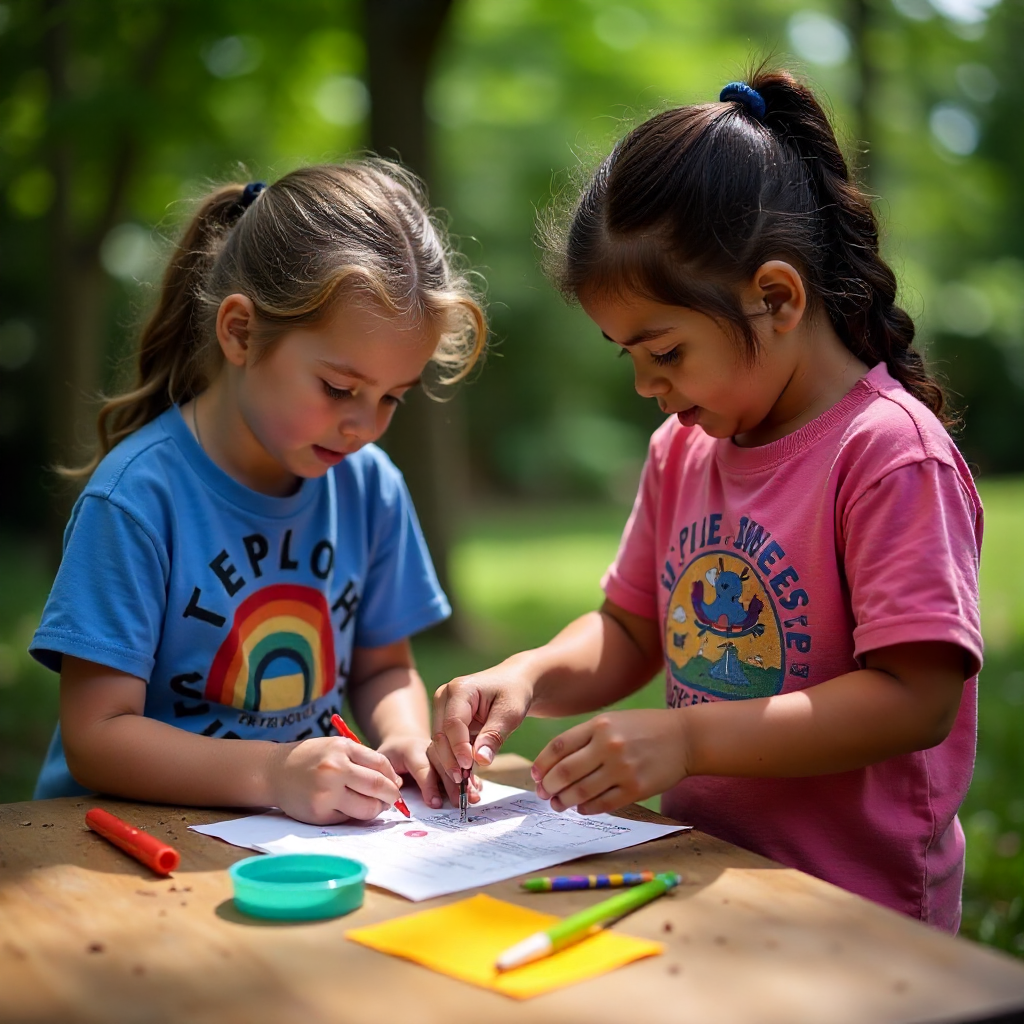
Yes. Blended learning at Kaʻu Learning Academy includes regular hands-on activities, collaborative projects, and experiential learning tied to the local environment and community. Technology supports those experiences — for example, by helping students research, document, or present their work — but it does not replace them.
How do teachers make sure technology is used safely and appropriately?
Teachers monitor digital activity during class, and the school uses age-appropriate platforms with built-in content filters. Students in grades 3–7 are also actively taught about responsible digital behavior — what to do when something online seems wrong, how to protect personal information, and why those practices matter. Digital safety is part of digital literacy.
Is blended learning effective for students with different learning styles?
Blended learning is designed specifically to accommodate variation among learners. Because students can move at their own pace through digital activities and receive small-group or individual instruction based on their specific needs, the model tends to work well across a range of learning profiles. That said, no single approach works perfectly for every child — which is why teacher observation and ongoing adjustment remain central to how instruction is delivered at Kaʻu Learning Academy.
Technology, used well, does not change what good education is. It changes what becomes possible within it. At Kaʻu Learning Academy, the goal has always been to help every student in grades 3 through 7 grow as a learner, a thinker, and a member of their community. Technology is one more tool in service of that goal — and one that students in rural Hawaii deserve access to, on their own terms, from a school that knows them by name.